Compliance
The EU AI Act is a comprehensive regulation designed to ensure the responsible development and use of AI systems within the European Union. It establishes requirements for risk management, transparency, and reporting for companies being used or offering AI systems in the EU, regardless of where the systems are created or deployed.
Vendors

Enterprise

Preparation
Warden AI specialises in AI assurance, helping HR tech providers and deployers achieve compliance with key elements of the regulation.
Frequently Asked Questions
The EU AI Act is a comprehensive, risk-based regulation governing how AI systems are developed and used in the European Union. It applies to providers and deployers offering or using AI in the EU regardless of where the system is built or the company is based, much like the GDPR's extraterritorial reach.
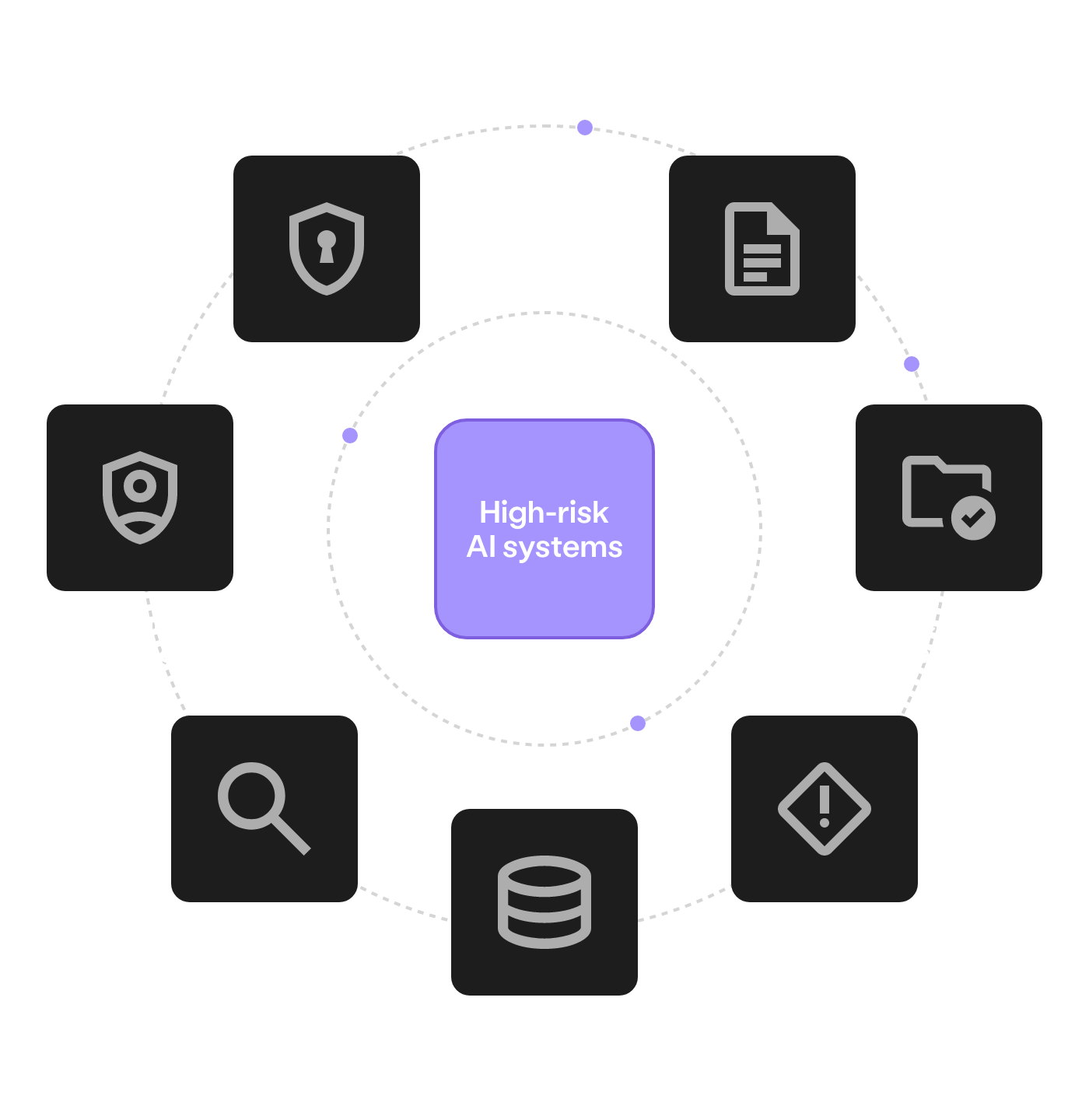
The Act sorts AI into four tiers. Unacceptable-risk systems such as social scoring or subliminal manipulation are banned; high-risk systems face strict obligations like risk management, data governance, and documentation; limited-risk systems carry transparency duties such as disclosing that a user is interacting with AI; and minimal-risk systems are encouraged to follow voluntary codes.
Yes. AI used for recruitment, candidate screening, promotion, task allocation, and other employment decisions is classified as high-risk under Annex III. That places employment AI among the most heavily regulated categories, with obligations on both the providers that build the tools and the employers that deploy them.
Under the Digital Omnibus agreement, the compliance deadline for high-risk employment systems is set for December 2, 2027, giving organizations additional lead time to prepare. Employers and vendors should use that window to inventory their AI, classify risk, and put assurance evidence in place ahead of the deadline.
Providers must classify and document whether their AI is high-risk, complete pre-market testing against the Act's standards, run post-market monitoring of performance and fairness, maintain clear technical documentation for deployers and regulators, and operate an AI risk-management framework throughout the system's lifecycle.
Deployers must be transparent about AI's role in decisions, continuously monitor the systems they use for compliance and effectiveness, ensure meaningful human oversight of high-stakes decisions, and give affected people insight into how AI-driven decisions are made.
High-risk systems must be tested for accuracy, robustness, and discriminatory outcomes as part of the Act's risk-management and data-governance requirements. While the Act does not use the term “bias audit,” independent bias audits from Warden AI provide the documented, third-party evidence that these fairness obligations are being met.
Warden AI delivers third-party assurance for bias, accuracy, and explainability under the Act, along with continuous auditing and versioned evidence ready for technical documentation and inspections. That gives HR tech providers and the enterprises deploying their tools a way to demonstrate conformity without building deep in-house compliance expertise.


.png)
.svg)

.svg)
.png)